
Exercise 5
Identifying Potential Harms and Benefits
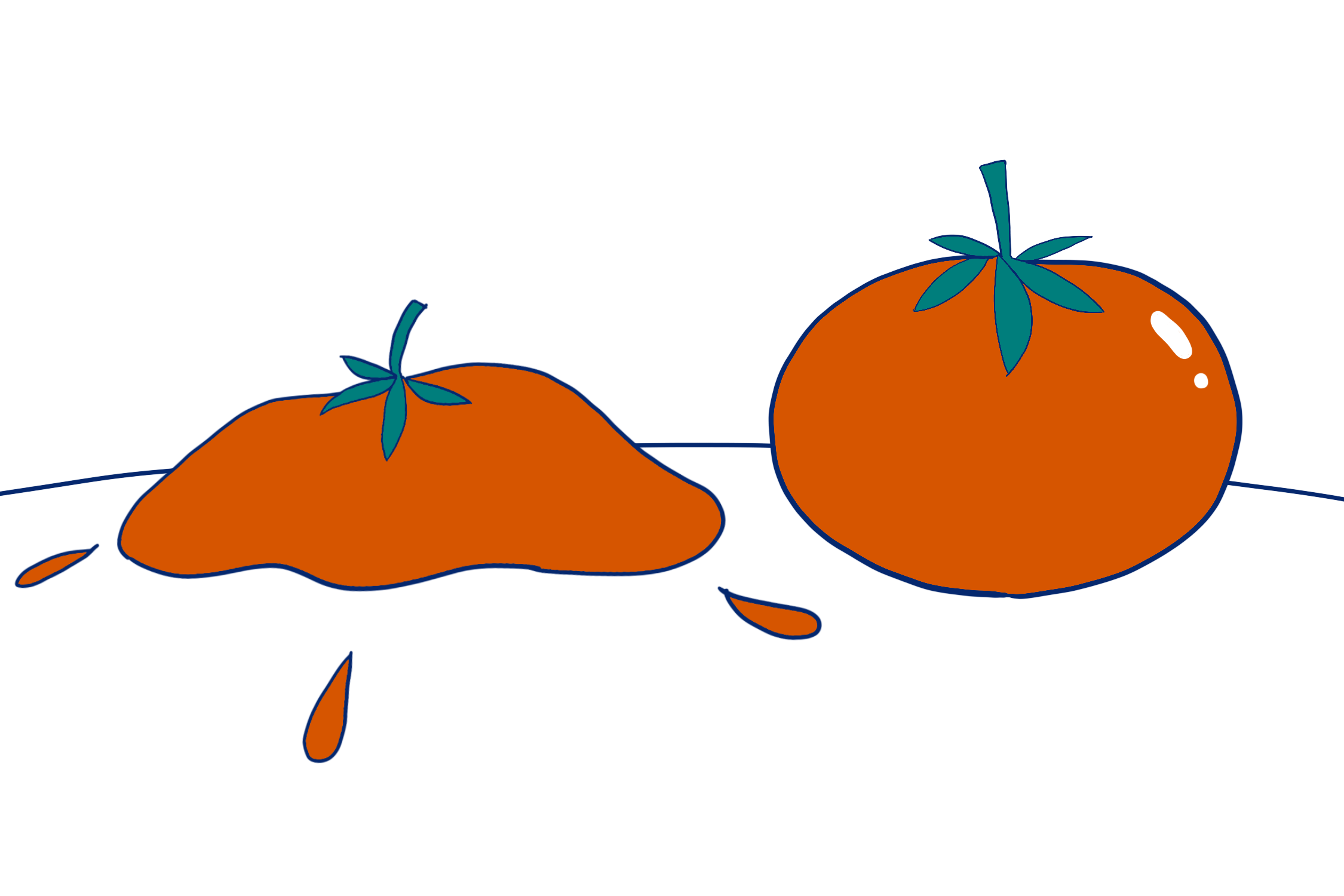
Think deeply about both the potential benefits and potential harms of your research from the perspective of communities.

📖 Step 1: Read
Read one or two (light) readings
💬 Step 2: Discuss
Apply discussion questions to a real or hypothetical research project
✍️ Step 3: Reflect
Use a worksheet to reflect on how this exercise applies to your work, and note key takeaways
Step 1.
Read
📖 Read as a group.
Note: web versions include links to additional content.
Readings
Read the following readings as a group. You might take turns reading aloud or spend a few minutes reading quietly.
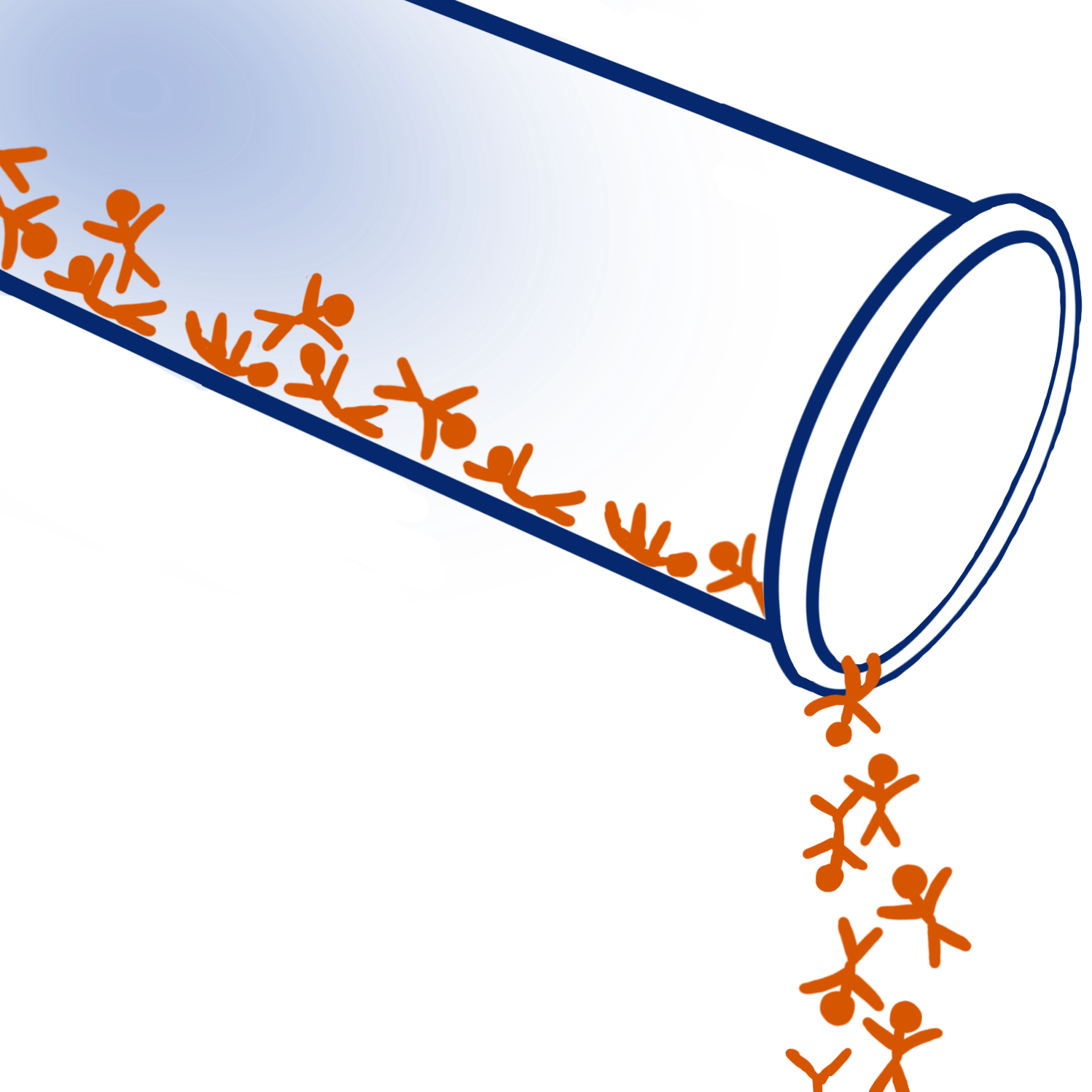
“Cases of Group Harm in Biorepository Research“
An overview of notable cases of group harm in biorepository research
This reading was featured in a previous exercise. If you’ve read it before, we recommend skimming it to refresh your memory.
Step 2.
Discuss
💬 Discuss a real or imaginary project
Discussion Prompts
Use the prompts below to guide your group’s conversation.
You can focus on a real research project or make one up for this exercise.
A Quick Note
You can use this exercise at different stages of your work.
- If you’re in the planning or analysis stage of your project, think about the possible best- and worst-case outcomes of your potential findings (based on your research question, etc.)
- If you’ve already completed your study, focus on the best- and worst-case scenarios of communicating your specific findings.
Best-Case Scenarios
- Below is a list of potential benefits from research. In the best case scenario, which could you imagine being a result of this research project?
Are there any benefits you can think of that are NOT on this list?
My research…
- Could benefit my career or reputation as a researcher
- Could benefit the general public
- Could benefit one or more specific communities
- Could benefit people who are less privileged (economically and/or socially)
- Could improve scientific understanding of a problem
- Could better understand the roles of genetics, environment, or social factors in an issue
- Could find or improve treatment for a health issue
- Could improve clinical care for a health issue
- Could guide public policy or law making
- Could respond to a priority raised by one or more communities
- Could build trust in science or scientific institutions
- Write a brief statement that explains the potential best-case scenarios you identified. Consider:
- Who is the community(ies) that might benefit?
- In what way(s) could they benefit?
- What would need to happen for this benefit to actually take place?
Worst-Case Scenarios
- Below is a list of potential harms from research. In the worst case scenario, which could you imagine being a result of this research project?
Are there any harms you can think of that are NOT on this list?
My research…
- Could harm my career or reputation as a researcher
- Could stigmatize or stereotype certain marginalized group(s)
- Could benefit more privileged people (economically and/or socially) at the expense of people who are less privileged
- Could put participant privacy or data security at risk
- Oversimplifies a complex problem
- Focuses too much on genetics while ignoring other factors
- Leaves out the role of social factors in health (like income, housing, or education)
- Leaves out the role of environmental factors in health (like pollution or climate)
- Clashes with how a group sees or defines itself
- May go against what participants originally agreed to when they gave consent
- May reduce trust in science or scientific institutions
- Might be misinterpreted by the public or specific community(ies)
- Might be overinterpreted (findings taken further than supported) by the public or specific community(ies)
- Might be dismissed or disputed by the public or specific community(ies)
- Might be difficult for the public or specific communities to interpret without professional support (e.g., from doctors or genetic counselors)
- Might influence how members of a community relate to each other*
*For example,
- New treatments like gene therapy might create divisions between those who can afford to pursue it and those who can not.
- Similarly, options like pre-implantation genetic diagnosis can shape how people relate to one another, depending on whether they choose to use it or not.
- Write a brief statement explaining the main worst-case risks you identified. Consider:
- Who is the community(ies) that might be harmed?
- In what way(s) could they be harmed?
- What specifically could happen to cause this harm?
- What steps could you take to reduce these risks?
Step 3.
Reflect
✍️ Document your takeaways
Note on versions:
Reflection Worksheets
Take a few minutes to reflect on this exercise using the worksheet below. Choose the version that best matches your role — or share one worksheet as a group. Jot down any insights, questions, or takeaways.
Researchers:
Ethics Committees:

Data Access Committees:
Next Steps
You’ve completed this exercise. Great work! 🎉