

For Better Biorepository Research

The CHIRON Discussion Kit

A set of exercises to support community-centered biorepository research. For researchers, ethics reviewers, and data access committees.

untitled
What is CHIRON?

A discussion toolkit for “doing right” by communities

CHIRON (Community Health Interests for Researchers and Oversight Networks) is a set of resources developed in partnership with communities to help researchers and oversight professionals enhance their work by reflecting on the social dimensions of biorepository research.

CHIRON includes:
đź’¬ 10 discussion-based exercises
📚 10 short readings
đź§® The Trustworthiness Calculator

The problem

Why this toolkit exists

placeholder 2

What Are Biorepositories?

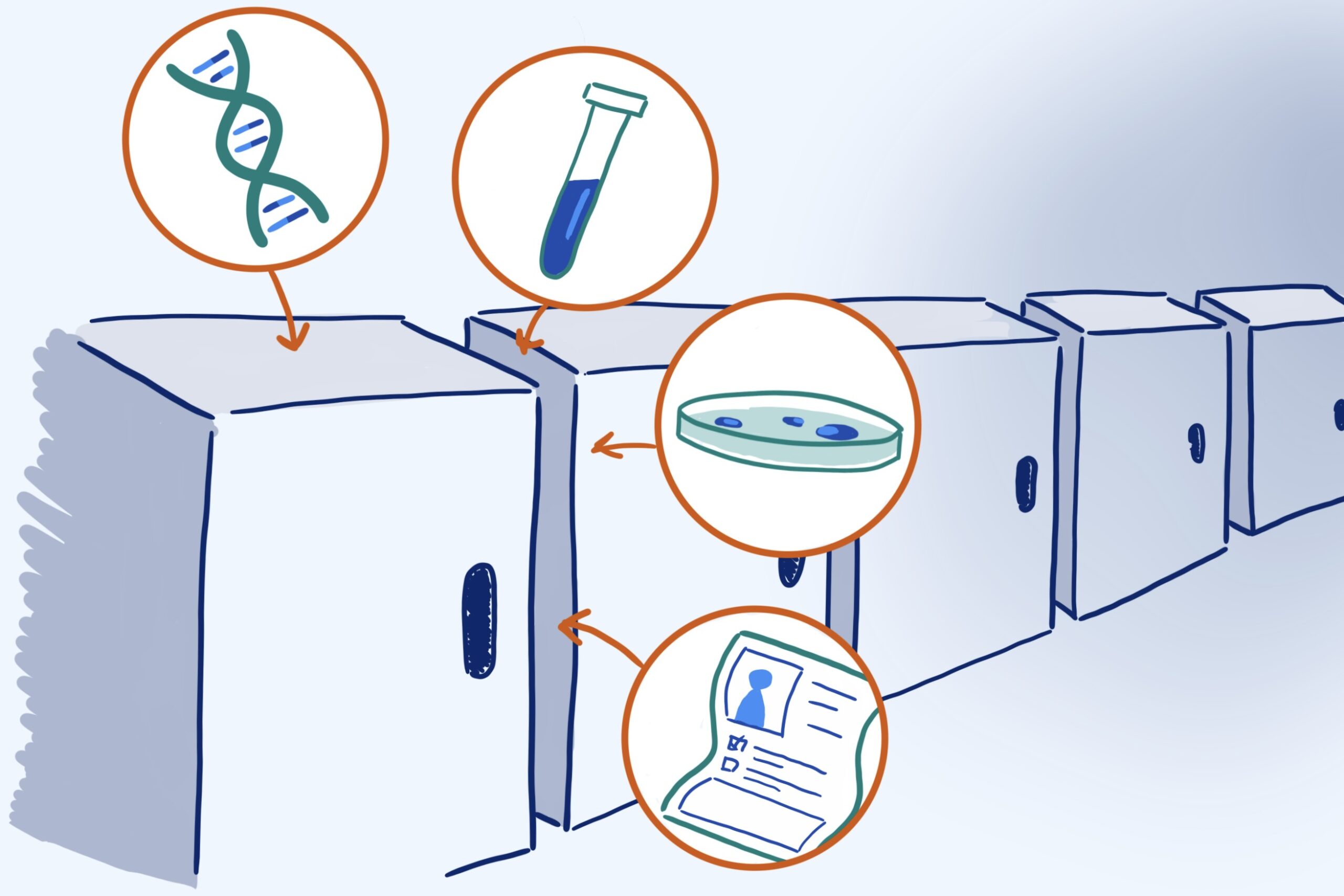
Biorepositories are like libraries that store health data, like tissue samples, genetic data, and more.

Scientists can reuse this data to ask new questions without needing to collect new data.

This speeds up scientific discovery.

placeholder 2

The Problem

Even when researchers have good intentions, studies that use large datasets can lead to group harm. For example,

Increased discrimination
Biased algorithms
Inequitable policy decisions
placeholder 2

How CHIRON Helps

CHIRON is a set of discussion-based exercises to help researchers and oversight committees make thoughtful choices.

It supports research that is more accurate and in-touch with community needs.

When to use CHIRON

Use CHIRON for…

Lab or Group Meetings

Use CHIRON exercises as part of regular lab or research group meetings to reflect on community impact, spark ethical discussion, and strengthen team awareness.

Personal or Independent Learning

Engage with CHIRON solo to explore your own practices and assumptions—perfect for self-paced reflection or growth.

Journal Clubs & Coursework

Incorporate CHIRON into a journal club or academic course. Ideal for exploring ethics and community engagement alongside traditional research articles.

Research Consortium Meetings

Use CHIRON within a consortium as an ELSI (ethical, legal, and social implications) activity or professional development offering across teams.

Training & Professional Development

Support skill-building in ethics, community involvement, and responsible data use for researchers, committee members, and trainees alike.

Collaborative Projects

Apply CHIRON in a team setting—like a group project or capstone—to critique research practices and practice collaborative reflection.

Who it’s for

Designed for roles including…

roles all transparent 2

Researchers

CHIRON helps you reflect on how your work might impact different communities.

Use CHIRON to…

Support your planning, analysis, and/or dissemination of a project
Help write materials like IRB / ethics review applications, funding proposals, or public communications
untitled 12

Ethics Committees

Risks like group harm are often overlooked in current review processes.

Use CHIRON to…

Strengthen review materials, such as applications, by adapting CHIRON content
Support ethical literacy within your committee or institution by using CHIRON materials as educational tools
roles all transparent 3 2

Data Access Committees

As gatekeepers of secondary data, you’re in a key position to promote responsible research.

Use CHIRON to…

Strengthen review materials, such as applications, by adapting CHIRON content
Inform the governance structure and policies of a new data repository
Benefits

What you’ll take away

CHIRON helps researchers and oversight committees integrate community voice into biorepository research. Through guided reflection and practical tools, it supports more inclusive and effective science.

Address Patient and Public Involvement (PPI)

Many journals now require a PPI statement. CHIRON helps you reflect on how your work impacts patients and communities.

Improve Your Science

Community integration leads to better research. By grounding your work in community relevance, you can improve the impact of your study.

Strengthen Applications and Proposals

Use CHIRON to improve IRB applications, data access requests, funding proposals, and other research documents.

Grow Your Knowledge of Community-Centered Research Practices

CHIRON supports your learning with readings and exercises that build your proficiency in applying community-centered practices throughout the research process.

What users say

From my perspective, the point of the CHIRON toolkit was to challenge investigators to think deeper about what type of research study they’re even embarking on. Is it relevant to the community? Does it meet community needs?

To think about how their data will ultimately impact the community, to get the involvement of the community, to essentially develop research data that’s meaningful and not harmful.

Oversight Committee Member who piloted CHIRON

Get started with CHIRON

Scroll to Top